
源自大地的色彩
Made in Malaysia
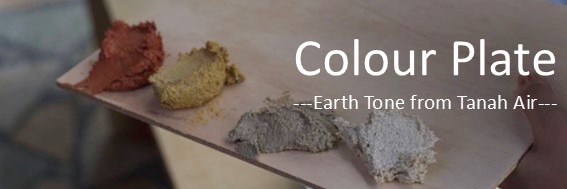
Officially established in 2025, inspired by natural building principles after nearly 7 years of research in Taiwan covering green energy and natural building methodologies. We independently research, develop, produce, and sell clay plaster. All primary ingredients and natural colours are derived directly from raw Malaysian earth. Our mission is to enrich every home by creating a beautiful, healthy, happy, and highly comfortable living environment through natural clay plasters.
馬來西亞製造
居泥鄉企業 專注於研發、生產並銷售天然泥土塗料。到台灣留學近7年,從綠色能源到自然建築研究,受自然建築理念啟發,於2025年正式在本地註冊成立居泥鄉企業。泥土塗料的主要成分皆源自在地,顏色皆來自馬來西亞在地的原泥土。 居泥鄉的理念,是透過天然泥土塗料,為每個家創造一個美麗、健康、幸福且舒適的生活環境。
Product Features
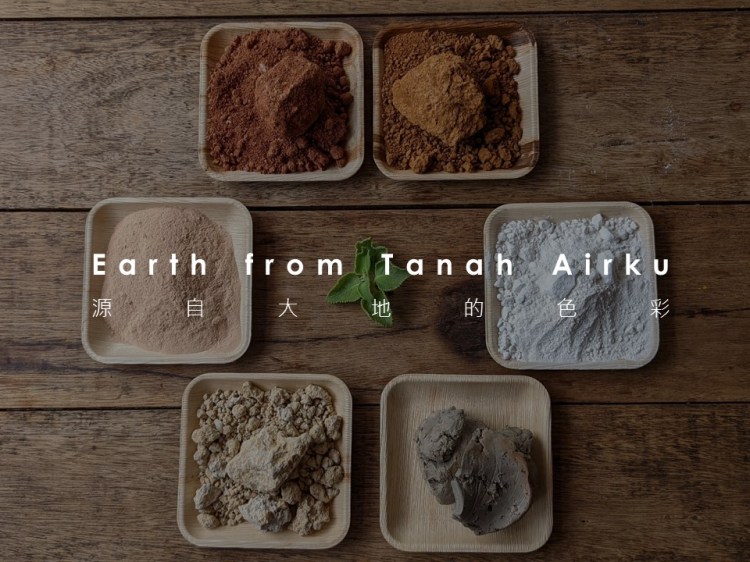
We specialise in natural clay plaster. It is independently developed in-house using locally sourced clay and natural materials. It provides superior moisture regulation and air purification properties, significantly enhancing indoor comfort. We also offer premium, imported Natural Lime Plaster to provide a complete eco-friendly system for both interior and exterior spaces. Earth colours from Malaysia, bringing the story from earth to home. Our colours come entirely from natural clay and minerals. Adding plant fibres and mineral aggregates allows you to craft your own breathable story wall.
“Nature” is both our principle and our philosophy! Together with the earth, let’s co-create the most beautiful, healthy, and happy home.
商品特色
我們專注於天然泥土塗料的研發與應用。核心產品「天然泥土塗料」為品牌獨立研發,以在地黏土與天然材料為基底,使室內牆面具備優異的調濕淨氣等功能,提升室內舒適度;同時,我們銷售海外嚴選全天然石灰塗料,為室內外空間提供全面的天然健康塗裝系統。礦物本色,永不褪色,植物纖維與礦物顆粒的搭配,可為每一個家量身打造會呼吸、極具個性化質感、富有故事的藝術空間。
“天然”是我們的原則,也是我們的理念!透過天然塗料,一起來創造最美麗、最健康、最幸福的家。
Colour Concept
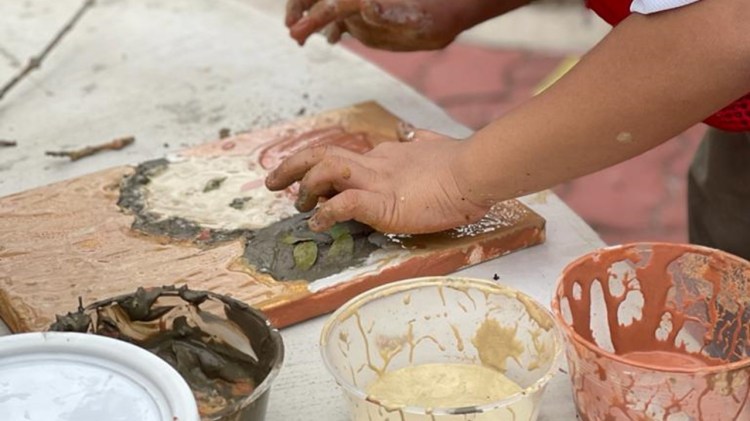
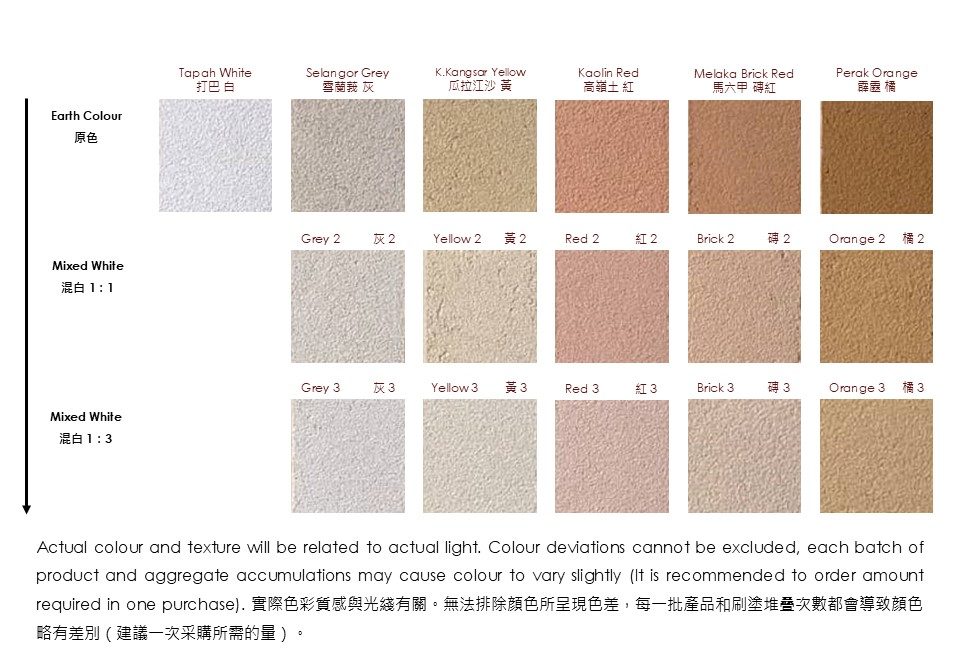
The colours of natural clay plaster and lime plaster are derived primarily from natural minerals. The final appearance, texture, and character are influenced by various factors, including the natural mineral colour, particle size, moisture content, plant fibres, application tools, the artisan’s craftsmanship, lighting conditions, and light temperature.
During application, the plaster will appear darker due to its moisture content and will gradually lighten as it dries completely. To ensure consistent final colour, the substrate should be properly prepared to prevent its colour from showing through the finish.
Colours shown below are approximate and for reference only.
色彩概念
天然泥土塗料 與 石灰塗料 的顏色主要源自於天然礦物的本色,且個別擁有獨立的色彩系列,所呈現的紋理與質感會受到礦物本色、粗細顆粒、含水率、植物纖維、施作工具、匠人手感、光線與色溫等因素而產生細微差異。施作時顏色較深,全乾後會轉為較淺的色調;為確保最終色彩一致,施作時應避免基材顏色透出。
以下產品簡介顏色為近似色,僅供參考。
Contact Number: 011-1185 7504 (Mr Tang Wen Ji)
E-mail: gnihomeplester@gmail.com
Location : 19, Jalan SS 2/101, 47300 Petaling Jaya, Selangor Darul Ehsan, Malaysia.

