
生態型高性能複層墻體概念
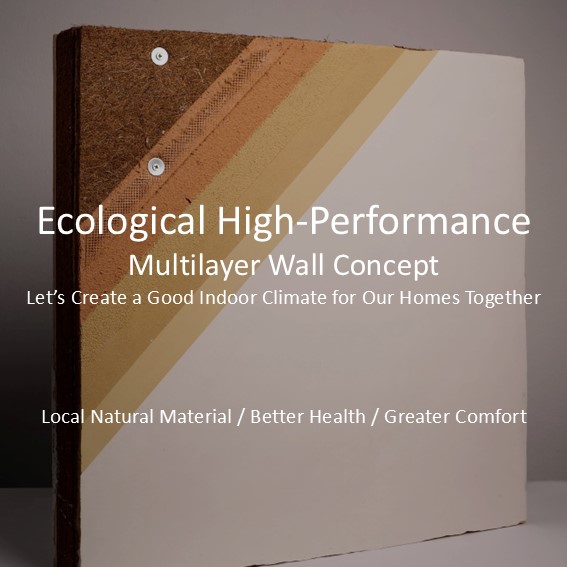
Adaptation to climate change has become a crucial consideration in modern building construction. Building envelope strongly influences indoor thermal comfort, improving wall performance is one of the key methods for enhancing comfort and reducing energy use. High-performance walls can be defined as providing occupants with a good and long-term comfortable indoor environment, which further guarantees benefits to environmental sustainability by meeting the goal of reducing energy consumption.
Multi-layered wall systems help stabilize indoor temperatures and reduce energy required. By making thoughtful use of natural materials and their inherent properties, it is possible to achieve high levels of indoor thermal comfort while maintaining an environmentally friendly building approach.
To support local environmental sustainability and enhance indoor comfort, we try to propose an ecological, high-performance, multi-layered wall concept.
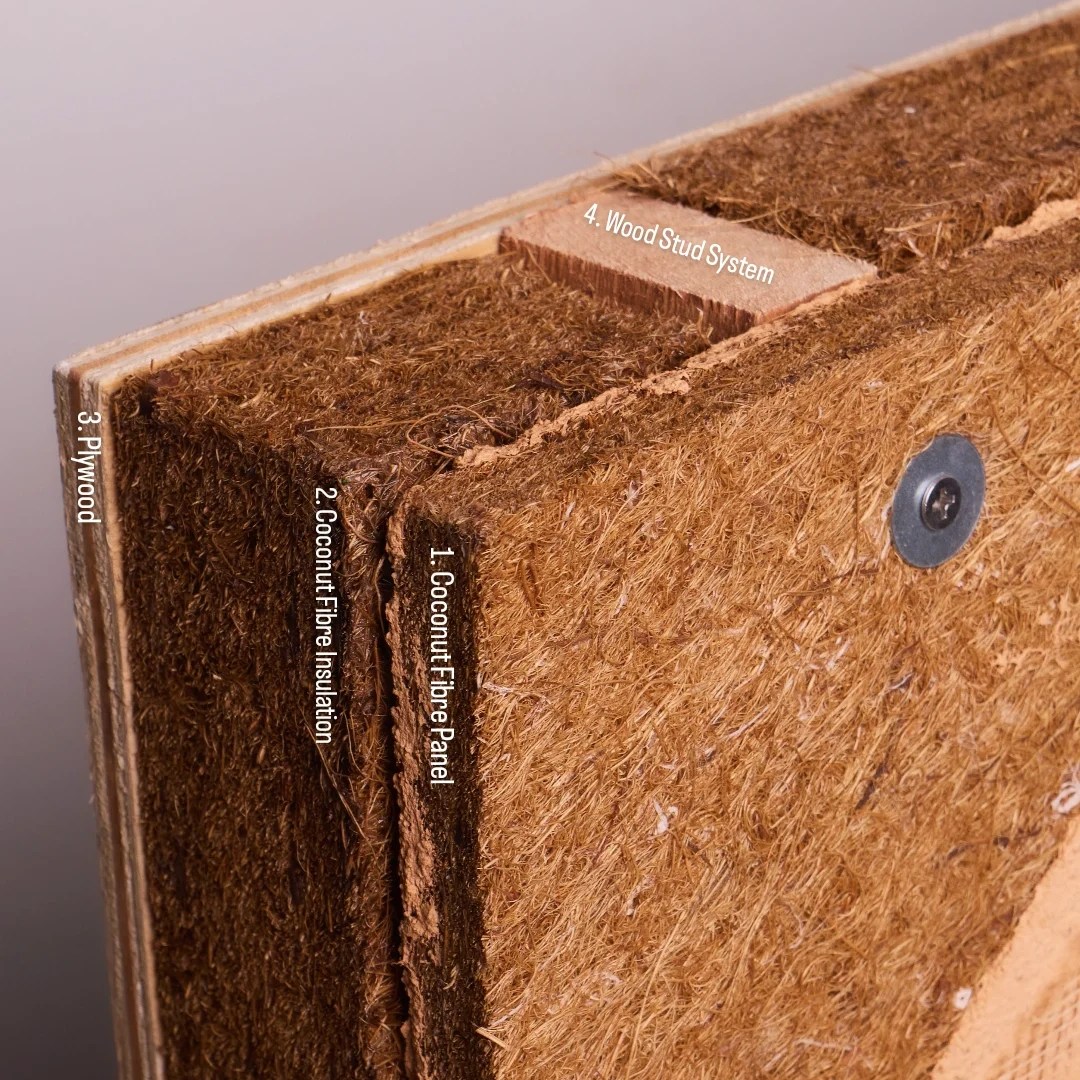
For an environmentally friendly design and respond to Malaysia’s tropical climate, the ideal configuration of layers (from inside to outside) should be high surface mass building material and heat insulator.The inner layer is for heat or cold storage, while the outer layer is for thermal insulation. The high value of internal area heat capacity (high thermal mass), high time shift value (long time lag), and low value for steady thermal transmittance (low U-value) are key factors.
Internal insulation systems are among the most commonly used methods for insulating vertical walls. This approach preserves the building’s exterior appearance and is relatively cost-effective. A steel or wood frame is fixed to the wall, and the insulation layer is installed and covered with boards.
We use coconut fibre (or other suitable natural insulation materials) as the natural insulation material (Figure 1). The thickness is typically determined by the vertical C-shaped steel members’ widths or the widths of wood studs, usually 120 mm or 150 mm. The insulation can then be enclosed with plywood, gypsum board, wood wool panels, or other suitable boards to ensure the fibre remains securely in place.
Clay is a hygroscopic natural material, making it highly suitable for indoor use to improve indoor comfort. It is naturally non-toxic, minimally processed, low-carbon, and reusable, with the ability to regulate humidity, purify the air, and create better indoor comfort. >learn more benefits of Clay Plaster
With minimal processing, clay can be made into a plaster. It is considered highly eco-efficient and both sustainable and reversible, its natural texture and color offer aesthetic appeal without requiring any paint system. As a plaster, clay possesses thermal mass and hygroscopic properties, helping to buffer indoor temperature and relative humidity. >learn the story of Clay Plaster
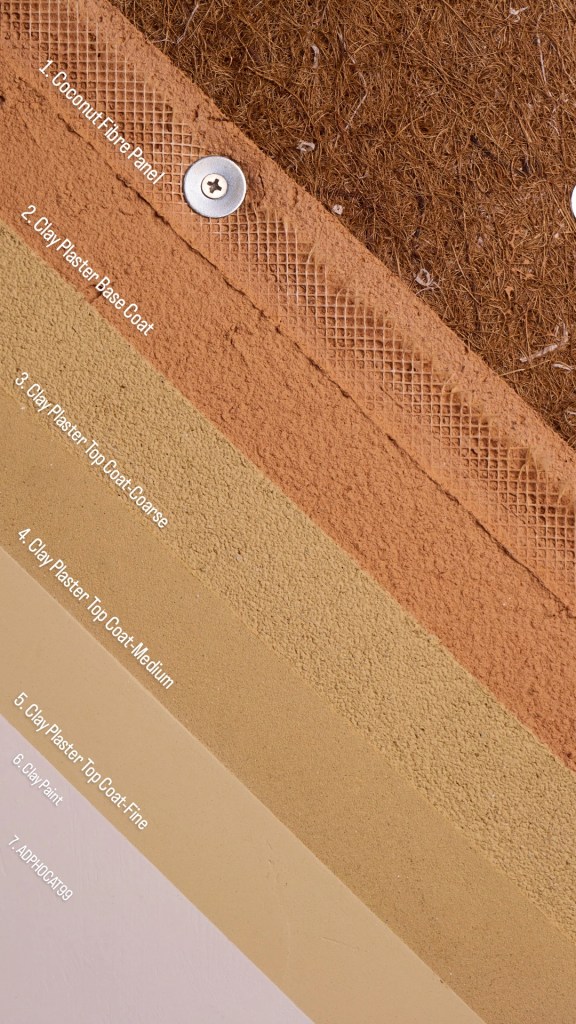
Figure 2 shows our Clay Plaster System, which can be applied over various substrates such as plywood, gypsum board, wood wool panels, or other suitable boards and existing walls. Different substrates may require slightly different plaster systems. In our experience, a single top coat of approximately 1 mm thickness is sufficient to noticeably improve indoor environmental quality. >learn more about how to install
Finally, to further enhance indoor cleanliness, a layer of Adphocat99 Disinfectant can be applied. It provides an advanced solution for autonomous indoor and surface disinfection (such as H1N1, Corona, E. hirae) while keeping the clay plaster breathable. >learn more about Adphocat99
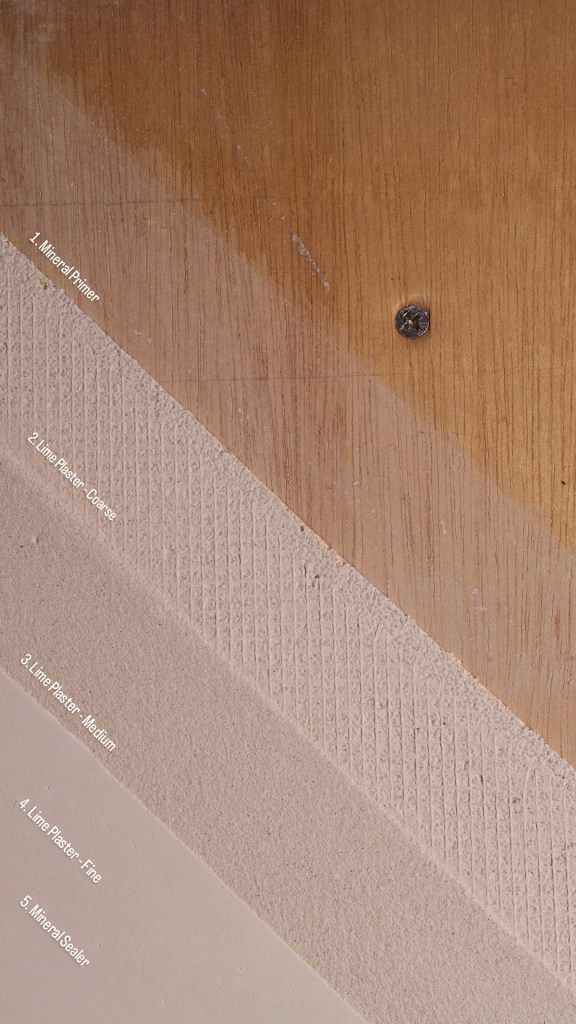
Lime plaster is also a natural, breathable material, though slightly less permeable than clay. It still effectively regulates indoor humidity and offers better abrasion resistance than clay plaster. Different applications require different types of lime plaster, and custom formulations can be used for exterior walls, wet areas such as showers, and even flooring.
Figure 3 shows our Lime Plaster System. We recommend installing it on bathroom walls or sheltered exterior walls, as clay generally has a greater impact on improving indoor comfort.

Adapting to Malaysia’s year-round hot and humid tropical climate is a major challenge for the housing sector. The residential and commercial sectors together account for 53.6% of the nation’s total electricity consumption, with the rise in residential energy use largely attributed to the increasing reliance on air-conditioning.
In Malaysia, daylight hours typically span from 8:00 a.m. to 8:00 p.m., with buildings absorbing the greatest amount of heat from midday to late afternoon. Studies indicate that terraced houses experience uncomfortable indoor thermal conditions between 11:30 a.m. and 6:30 p.m. This discomfort is intensified by the use of high heat capacity building materials (Figure 4), which store large amounts of heat during the day and release it into the indoor environment at night, further degrading thermal comfort and increasing the demand for mechanical cooling.
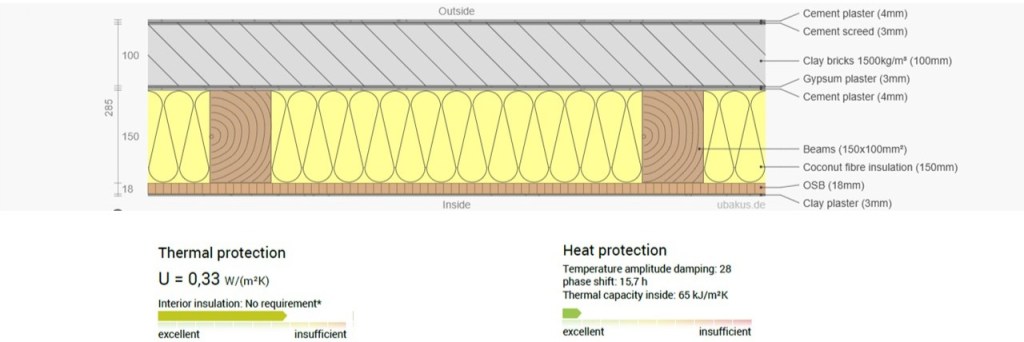
To reduce building energy consumption, effective passive cooling strategies are essential. Therefore, we try to explore a multi-layered wall system (Figure 5) incorporating clay plaster and natural materials to enhance wall performance in Malaysian urban housing. Our aim is to improve indoor comfort (especially thermal comfort) in response to year-round hot and humid climates, the intensifying urban heat island effect, rising occupant expectations for indoor comfort, and the ongoing increase in building energy consumption through improved performance of existing walls.
Contact Number: 011-1185 7504 (Mr Tang Wen Ji)
E-mail: gnihomeplester@gmail.com
Location : 19, Jalan SS 2/101, 47300 Petaling Jaya, Selangor Darul Ehsan, Malaysia.
 GNIHOME CLAY PLASTER ENTERPRISE